harmonious sex life

How couples can maintain a harmonious sex life

Maintaining a harmonious sex life in a long-term relationship is less about spontaneous passion (as movies depict) and more about intentionality, communication, and adaptability. It’s a shared project that evolves as you both change over time.

Here is a comprehensive guide on how couples can nurture that connection:

1. Prioritize Communication (The Foundation)

Most sexual issues stem not from the bedroom, but from a lack of communication about it.

  • Talk outside the bedroom: Discuss your sex life when you are not being intimate. This removes the pressure of the moment. Use “I” statements (e.g., “I really love it when…” or “I’ve been feeling curious about…”).

  • Create a “Yes/No/Maybe” list: Every few months, go through a list of activities together. It’s a fun, low-pressure way to discover new interests and reaffirm boundaries without judgment.

  • Feedback is a gift: Learn to give gentle, loving feedback. Instead of “You never do this,” try “It feels amazing when you do that thing with your hands.”

2. Combat “Routine” with Intentionality

Familiarity is comfortable, but predictability can kill desire.

  • Schedule intimacy: It sounds unsexy, but scheduling sex actually builds anticipation. Knowing that Thursday night is “date night” allows you to flirt via text during the week and build mental excitement.

  • Vary the “When” and “Where”: If you only have sex at 11 p.m. in bed before sleeping (when you’re exhausted), try a Saturday morning quickie or a midday rendezvous.

  • Prioritize “Skin Hunger”: Non-sexual touch (holding hands, hugging, back rubs) maintains a physical connection that often leads to sexual desire. It keeps the “bridge” between you open.

3. Manage the “Mental Load”

For many couples, especially those with children or demanding jobs, stress is the biggest libido killer.

  • Share the burden: Resentment over chores or mental labor (planning, scheduling) is a major turn-off. If one partner feels like a caretaker or a manager, it’s difficult to feel like a lover.

  • Create a transition ritual: When you come home from work, take 15 minutes to decompress together (talk, have a cup of tea) before diving into the chaos of the evening. This helps you reconnect as partners, not just roommates.

4. Embrace Change and Curiosity

Your bodies and desires will change due to age, hormones, medication, or stress.

  • Adapt, don’t mourn: If something used to work but doesn’t anymore (physically or mentally), be a team to find what does work now. This might mean using lubricant more often, trying different positions, or exploring sensate focus exercises.

  • Stay curious: Look at your partner with curiosity rather than assumption. Instead of thinking, “He/she never wants this,” think, “I wonder what they are into now?”

5. Navigate Desire Discrepancy (The “Pursuer-Distancer” Trap)

It is incredibly rare for two people to want sex with the exact same frequency at the exact same time.

  • Reject the “Gatekeeper” model: Don’t frame it as one person “giving in” and the other “convincing.” This creates a parent/child dynamic.

  • Meet in the middle: If one partner has a higher drive, the lower-drive partner can commit to being sexually present (engaging in intimacy) a certain percentage of the time, even if they aren’t initially “in the mood.” Often, arousal follows action.

  • Pressure kills desire: The higher-drive partner must ensure their pursuit doesn’t feel like pressure. The lower-drive partner must ensure their “no” isn’t a blanket rejection of the partner, but just a “no for now.”

6. Cultivate “Separate Space”

Paradoxically, a little distance can increase desire.

  • Maintain your individuality: Being too enmeshed (doing everything together) can make you feel like siblings or roommates. Having your own hobbies, friends, and passions makes you more interesting to your partner and creates a healthy longing to catch up.

7. Know When to Call in Backup

If there is a persistent disconnect, pain during sex, or a complete absence of desire, see a professional.

  • Medical: See a doctor to rule out hormonal imbalances, side effects of medication (like antidepressants), or physical pain.

  • Therapeutic: A certified sex therapist or couples counselor can provide tools to break through communication barriers that you can’t solve alone.

The Bottom Line:
A harmonious sex life isn’t one that is always mind-blowing or frequent. It is one where both partners feel seen, safe, and curious about each other. It’s about turning toward each other when things get difficult, rather than turning away.

Happy Valentine's Day

Happy Valentine’s Day

Happy Valentine’s Day to you! 💝

Whether you’re celebrating with a special someone, enjoying Galentine’s Day with friends, treating yourself, or simply acknowledging the day in your own way—I hope it’s filled with warmth, kindness, and maybe a little sweetness.

Remember, love comes in many forms. Wishing you a day that makes your heart smile!

Female_Sexual_Health

Female Sexual Health and Care Guide

Here is a comprehensive overview of key women’s sexual health points and care methods, described in English.

I. Key Aspects of Female Sexual Health

Sexual health is a state of physical, emotional, mental, and social well-being in relation to sexuality. It’s fundamental to overall health.

1. Physical Health & Anatomy:

  • Reproductive System: Understanding the function of the vulva, vagina, cervix, uterus, fallopian tubes, and ovaries.

  • Pelvic Floor: The network of muscles supporting pelvic organs. Good tone is crucial for sexual function, urinary control, and core stability.

  • Hormonal Balance: Estrogen and progesterone regulate the menstrual cycle, vaginal lubrication, libido, and mood. Fluctuations (puberty, menstruation, pregnancy, postpartum, perimenopause, menopause) significantly impact sexual health.

  • Sexual Response Cycle: Includes desire (libido), arousal (excitement, lubrication), orgasm, and resolution. This cycle varies greatly among individuals.

2. Emotional & Psychological Health:

  • Body Image & Self-Esteem: Positive self-perception strongly influences sexual comfort and desire.

  • Mental Health: Stress, anxiety, depression, and past trauma (e.g., sexual assault) can deeply affect sexual desire and response.

  • Relationship Dynamics: Communication, trust, intimacy, and conflict resolution with partner(s) are central to sexual satisfaction.

3. Sexual Function & Satisfaction:

  • Desire Discrepancy: Differences in libido between partners are common.

  • Arousal Disorders: Difficulty becoming physically aroused or maintaining arousal.

  • Orgasmic Disorders: Difficulty reaching orgasm (anorgasmia) or experiencing delayed orgasm.

  • Sexual Pain Disorders: Such as dyspareunia (pain during intercourse) or vaginismus (involuntary vaginal muscle contraction).

4. Safety & Prevention:

  • Sexually Transmitted Infections (STIs): Prevention, testing, and treatment are crucial.

  • Consent & Boundaries: Freely given, informed, and enthusiastic consent is the foundation of safe and healthy sexual experiences.

  • Contraception: Access to and use of preferred birth control methods for pregnancy prevention.

II. Essential Care & Maintenance Methods

1. Routine Medical Care & Hygiene:

  • Annual Well-Woman Exams: Include a pelvic exam, Pap smear (as recommended), clinical breast exam, and STI screening based on risk factors.

  • Vaginal Hygiene: The vagina is self-cleaning. Avoid: douching, scented soaps, sprays, or harsh cleansers inside the vagina. Do: Wash the external vulva with warm water and mild, unscented soap.

  • Urinary Health: Wipe front to back, urinate soon after intercourse to help prevent UTIs.

  • Menstrual Care: Change tampons/pads regularly (every 4-8 hours). Menstrual cups are a safe alternative if cleaned properly.

2. Maintaining Sexual Function & Comfort:

  • Lubrication: Use water-based or silicone-based lubricants to reduce friction and discomfort, especially if natural lubrication is insufficient (common during menopause, breastfeeding, or with certain medications).

  • Pelvic Floor Exercises: Regularly practice Kegel exercises to strengthen pelvic floor muscles. This can enhance sexual sensation, orgasm strength, and prevent incontinence. (Important: Proper technique is key; consider guidance from a physical therapist).

  • Masturbation/Self-Exploration: Helps understand personal arousal patterns, preferences, and what feels good.

  • Addressing Pain: Persistent pain before, during, or after sex is not normal. Consult a gynecologist or a sexual medicine specialist to diagnose causes (e.g., hormonal, musculoskeletal, inflammatory, psychological).

3. Emotional & Relational Care:

  • Open Communication: Discuss desires, boundaries, concerns, and preferences with partner(s) in a respectful, non-judgmental setting.

  • Manage Stress: Incorporate relaxation techniques (mindfulness, meditation, yoga) as chronic stress is a major libido killer.

  • Seek Therapy: Consider individual or couples therapy (especially with a sex therapist) for issues related to body image, past trauma, relationship conflicts, or sexual dysfunction.

  • Prioritize Intimacy: Foster emotional connection and non-sexual physical touch (cuddling, kissing) to maintain bonding.

4. Prevention & Safety Practices:

  • STI Protection: Correct and consistent use of condoms (male or female) is the best method to reduce STI risk. Discuss testing history with partners.

  • Regular Screening: Get tested for STIs (e.g., chlamydia, gonorrhea, HIV, syphilis) with new partners or if sexually active with multiple partners.

  • Vaccinations: HPV vaccine protects against high-risk strains causing cervical cancer and genital warts.

  • Breast Awareness: Be familiar with how your breasts normally look and feel and report any changes to a healthcare provider.

5. Lifespan Considerations:

  • Pregnancy & Postpartum: Expect changes in desire and comfort. Communicate with your partner and healthcare provider.

  • Perimenopause & Menopause: Declining estrogen can cause vaginal dryness, thinning tissues (atrophy), and decreased libido. Treatments include topical estrogen therapy, moisturizers, and lubricants. Discuss options with a doctor.

  • Aging: Sexual activity can continue healthily throughout life. Focus on adaptation, communication, and using aids (lubricants) as needed.

When to See a Healthcare Provider:

  • Persistent pain during sex or pelvic pain.

  • Sudden changes in libido not linked to life stress.

  • Unusual vaginal discharge, odor, itching, or bleeding.

  • Difficulty with arousal or orgasm that causes distress.

  • Concerns about STIs or contraception.

  • Any lumps, sores, or changes in the genital area.

Remember: Sexual health is highly individual. What’s normal for one woman may not be for another. The most important principles are self-awareness, open communication, proactive healthcare, and seeking professional help when something doesn’t feel right.

Adult Sex toy

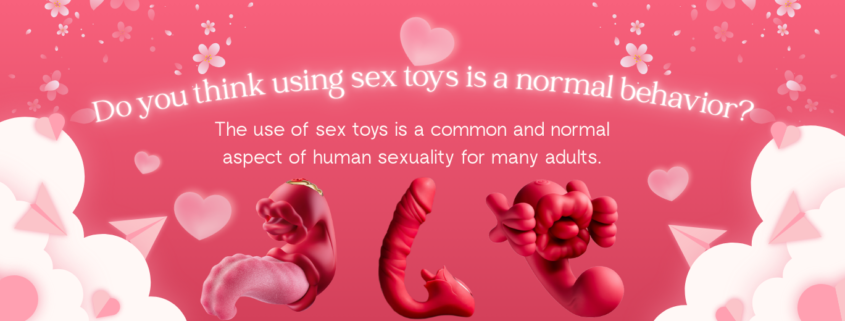
Do you think using sex toys is normal behavior?

The use of sex toys is a common and normal aspect of human sexuality for many adults. They are widely recognized by healthcare professionals, including sex therapists, as a healthy way to explore pleasure, intimacy, and bodily autonomy, either alone or with consenting partners.

Key points to consider:

  1. Safety & Education: Using body-safe materials, cleaning products properly, and communicating with partners are important for positive experiences.

  2. Consent & Communication: In partnered use, mutual agreement and openness enhance trust and intimacy.

  3. Cultural & Personal Context: Attitudes toward sex toys vary across cultures, religions, and individuals—personal comfort levels and values should always be respected.

  4. Health Benefits: Sex toys can contribute to sexual well-being by reducing stress, improving sleep, helping people understand their bodies, and addressing issues like sexual dysfunction.

If someone feels shame or confusion about using sex toys, it may help to remember that human sexuality is diverse and personal. What matters most is that choices are safe, consensual, and aligned with one’s own values. Open conversations with trusted partners or a professional can also provide clarity and support.


Sex Education for Children

Sex Education for Children of Different Age Groups

Age-Appropriate, Comprehensive Sex Education: A Guide for Parents & Caregivers

Sex education is a lifelong process of learning about bodies, relationships, identity, and safety. Starting early with honest, age-appropriate information builds a foundation of trust, health, and well-being. Here’s a breakdown by developmental stage:

Core Principles for All Ages

  • Use Proper Anatomical Terms: Teach words like penis, vulva, vagina, breasts, buttocks from the start. This reduces shame, aids in clear communication, and is crucial for safety.

  • Promote Body Autonomy & Consent: Teach that their body belongs to them. They have the right to say “no” to unwanted touch (hugs, tickles) and must respect others’ “no.” This is the foundation for understanding consent later.

  • Be the “Askable Adult”: Create an environment where questions are welcomed. Answer simply and honestly. If you don’t know, say, “That’s a great question. Let’s find out together.”

  • Use “Teachable Moments”: A pregnancy in the family, a scene on TV, or bath time can naturally lead to small conversations.

  • It’s Ongoing: It’s not one “big talk,” but many little conversations over years.

Age-by-Age Guide

Ages 0-3 (Foundations)

  • Focus: Body parts, body autonomy, and healthy touch.

  • Key Topics:

  • Naming all body parts correctly.
  • Simple concepts: “Boys have penises, girls have vulvas.”
  • “Your body belongs to you.”
  • Identifying safe adults (e.g., parents, caregivers).
  • Introduction to privacy: “We close the door when we use the toilet.”

Ages 4-6 (Curiosity & Boundaries)

  • Focus: Where babies come from (basics), privacy, and respecting others.
  • Key Topics:
  • Conception/Birth Simplified: “A baby grows from a special seed (sperm) from a man and a special egg from a woman. It grows in a place inside the woman called a uterus.” “The baby comes out through the vagina.”
  • Reinforcing boundaries: “No one should touch your private parts except to keep you clean or healthy.”
  • Understanding that everyone’s body is different and that’s okay.

Ages 7-9 (Social & Physical Changes)

  • Focus: Puberty basics, social dynamics, and online safety.
  • Key Topics:
  • Introduce Puberty: Discuss that bodies will change (growth spurts, body hair, body odor, breast development, menstruation, wet dreams). Frame it as normal and healthy.
  • Basic introduction to crushes and different types of families (single-parent, same-sex parents, etc.).
  • Basic Online Safety: Not sharing personal information or pictures of their body.

Ages 10-12 (Detailed Information)

  • Focus: Detailed puberty, reproductive systems, and decision-making.
  • Key Topics:
  • Detailed Puberty Education: Menstrual cycles, emotional changes, masturbation (as a normal, private activity).
  • Reproduction: More detailed explanation of sexual intercourse, conception, and pregnancy.
  • Gender Identity & Sexual Orientation: Simple definitions (e.g., “Some boys feel like they are a girl inside; that’s called transgender.” “Some people love someone of the same gender; that’s called gay or lesbian.”).
  • Media Literacy: Discussing unrealistic portrayals of bodies and relationships in media/porn.

Ages 13+ (Relationships & Responsibility)

  • Focus: Healthy relationships, sexual health, ethics, and critical thinking.
  • Key Topics:
  • Healthy vs. Unhealthy Relationships: Communication, respect, trust, recognizing coercion or abuse.
  • Comprehensive Sexual Health: STIs, contraception, prevention methods.
  • Explicit Consent: “Enthusiastic, ongoing, and sober yes.”
  • Digital Citizenship: Sexting, pornography, online dating safety, and permanent digital footprints.
  • Values & Decision-Making: Discussing your family’s values around sex, while providing factual information about risks and responsibilities.

How to Handle Common Situations

  • If They Ask a Surprising Question: Stay calm. Ask, “What made you think about that?” to understand their context. Give a direct, simple answer.
  • If You Catch Them Exploring: Don’t shame. For a young child, gently reinforce privacy: “I see you’re touching your penis. That’s something people do in private, like in your room.”
  • Using Books & Resources: Age-appropriate books are fantastic tools to read together or leave for them to explore.


Final Takeaway: Your goal is not to have all the answers, but to be a trusted, reliable, and non-judgmental source of information. By starting early and keeping the conversation open, you equip your child with the knowledge, skills, and self-respect they need to navigate their development and make healthy, safe choices throughout their lives.

Breast Massager

Breast Massager Types and Safety Considerations

Breast Massagers: A Guide to Sexual Wellness

Breast massagers designed for sexual wellness have become increasingly popular as people explore diverse forms of pleasure and intimate connection. These specialized devices offer unique experiences beyond traditional sexual wellness products.

Understanding Breast Massagers

Breast massagers are devices specifically designed to provide pleasure through gentle vibration, suction, or massage techniques applied to breast and nipple tissue. They recognize that breast sensitivity varies greatly between individuals and can be an erogenous zone for many.

Types of Breast Massagers

  1. Vibrating Massagers: Small, wearable devices that provide gentle vibrations

  2. Suction Devices: Create gentle suction to enhance sensitivity

  3. Combination Devices: Offer both vibration and suction

  4. Manual Massagers: Non-electrical tools for gentle massage

Potential Benefits

  • Enhanced Pleasure: For those who find breast stimulation pleasurable
  • Sensual Exploration: Can help individuals or couples explore different forms of intimacy
  • Body Awareness: May help increase comfort with one’s own body
  • Foreplay Enhancement: Can be incorporated into partnered sexual activities

Considerations for Use

    1. Communication is Key: If using with a partner, discuss comfort levels and boundaries

    2. Start Gently: Begin with lighter settings to understand your sensitivity

    3. Cleanliness: Follow manufacturer instructions for proper cleaning

    4. Individual Variation: Remember that breast sensitivity varies widely—what feels good to one person may not to another

    5. Health Considerations: Those with breast implants, health conditions, or who are pregnant/nursing should consult healthcare providers

Choosing a Product

When selecting a breast massager:

      • Look for body-safe materials (silicone is common)

      • Consider adjustable intensity settings

      • Read reviews from verified purchasers

      • Purchase from reputable retailers

      • Ensure it’s easy to clean and maintain

A Holistic View of Sexual Wellness

Remember that sexual wellness encompasses physical, emotional, mental, and social well-being in relation to sexuality. Breast massagers can be one tool in this broader context, but they’re just one option among many for exploring pleasure and intimacy.

As with any sexual wellness product, the most important factors are personal comfort, consent (with partners), and understanding that sexual preferences vary greatly between individuals. What matters most is finding what brings you pleasure and comfort within your own boundaries and values.

Tongue G Spot Vibrators

Tongue G Spot Vibrators

Experience authentic oral pleasure! Our 2025-upgraded rose sex toy features lifelike, flexible dual tongues mimicking human licking plus vibrating lips for intense clit stimulation. Perfect for women seeking immersive solo play or adventurous couples sex toys. Feel unmatched warmth & rhythm vs. basic vibrators.

Precisely target deep pleasure zones! This revolutionary G-spot vibrator offers 360° tongue rotation & 10 intense patterns – from teasing to thrusting – awakening spots ordinary dildos and thrusting vibrators miss. Ideal for women craving blended orgasms during bath or bedtime adult toy play.

Synced Licking + Vibration Tongue Toy For Women: Unlock DOUBLE stimulation! This unique tongue toy for women combines rapid flicking + 10-speed vibrations (like a clit vibrator + G-spot vibrator in one). Customize intensity for nipples, anus, or full-body bliss – crave quick release or slow buildup. The ultimate adult pleasure sex toy.

IPX6 Waterproof & Ultra-Fast Magnetic Charge: Enjoy seamless shower sex toys play! Crafted with body-safe silicone, this waterproof adult toy enables worry-free aquatic adventures. Magnetic charging delivers 50 mins of powerful runtime in just 1 hour (30% faster than average vibrators). Whisper-quiet (<50dB) for discreet hotel or home use.

anal play

How to have fun with anal play

Exploring anal play can be a deeply pleasurable and intimate experience when approached with care, communication, and the right mindset. Here’s a guide to help you have fun, stay safe, and discover what feels good.

1. Start with Mindset & Communication

  • Curiosity Over Pressure: Focus on exploration, not performance. There’s no “end goal”—enjoy the sensations and the journey.

  • Consent & Communication: If partnered, discuss desires, boundaries, and safewords beforehand. Keep talking during play—what feels good, what doesn’t.

  • Solo Exploration: Trying alone first can help you learn your body without pressure.

2. Prioritize Safety & Hygiene

  • Cleanliness: Shower beforehand. A gentle external wash is usually enough—the rectum is self-cleaning. For deeper play, an anal douche (with lukewarm water) can help, but avoid overdoing it.
  • Trimmed Nails: Smooth, trimmed nails (or gloves) prevent scratches.
  • Barrier Protection: Use condoms on toys or during partner play for easier cleanup and to prevent bacterial transfer.

3. Lube, Lube, Lube!

  • The anus doesn’t self-lubricate. Use high-quality lubricant—silicone-based or water-based (silicone lasts longer but isn’t compatible with silicone toys). Reapply often.
  • Avoid numbing lubes—pain is a signal to stop or slow down.

4. Start Small & Go Slow

  • Fingers: Begin with a well-lubed finger. Gently circle the outside, then slowly insert when relaxed. Experiment with gentle pressure.
  • Small Toys: Start with slim butt plugs or anal beads designed for beginners. Look for toys with a flared base to prevent slipping inside.
  • Go at Your Pace: The rectum has two sphincters—the outer (you control) and inner (involuntary). Go slow, breathe deeply, and allow muscles to relax.

5. Explore Sensations

  • Different Stimulations: Light touching, pressure, vibration, or fullness can all feel pleasurable.
  • Mix with Other Pleasure: Anal play combined with clitoral, vaginal, or penile stimulation can heighten pleasure.
  • Experiment with Positions: On your side, kneeling, or lying on your back can offer different access and comfort.

6. Advanced Play (When Ready)

  • Toys: Prostate massagers (for people with prostates) or anal vibrators can offer targeted pleasure.
  • Peeking: Gentle penetration with a dildo or strap-on—ensure gradual size increases and plenty of lube.
  • Temperature Play: Try warming (body-safe) toys or cool sensations with glass toys (smooth, non-porous).
  • Anal Training Kits: Graduated plug sets help you slowly adapt to larger sizes.

7. Aftercare

  • Gentle Cleanup: Wash with mild soap. The anus is resilient, but treat it gently.
  • Check-in: Notice how you feel physically and emotionally. Hydrate and rest if needed.
  • Partner Connection: Cuddle, debrief, and share feedback.

8. Common Concerns

  • Discomfort/Pain: Stop immediately. Pain usually means you need more lube, more relaxation, or to go smaller.
  • Fecal Matter: A small amount can happen—it’s natural. Keep towels or wipes handy, and don’t shame yourself or your partner.
  • Health: Anal play is safe for most, but avoid if you have hemorrhoids, fissures, or certain medical conditions. Use body-safe toys (silicone, stainless steel, glass).

9. Resources for Learning

  • Books: The Ultimate Guide to Anal Sex for People of All Genders and Sexualities by Tristan Taormino.
  • Online: Reputable sex education sites like O.school, Scarleteen, or educational YouTube channels (e.g., Sexplanations).

Remember: Anal play is about mutual trust, patience, and pleasure. There’s no “right” way to enjoy it—only what feels good for you and your partner(s). Celebrate the exploration, and prioritize comfort and joy every step of the way.

Do you like any of these styles?

Do you like any of these styles?

vibrator

 clitoral stimulator


2026 latest adult sex toys

2026 Latest Adult Sex Toys

2026 Latest Adult Sex Toys

1.Three Points of stimulation. Rotating tongue licking, 5-frequency oscillation, 10-frequency vibration, intelligent heating vibrator for women.

2.2026 New arrival Tongue-licking vibrator, female masturbator, remote-controlled vibrating egg.

3.Intelligent remote-controlled sucking SM erotic vibrator.