sex life

Want to upgrade your sex life?

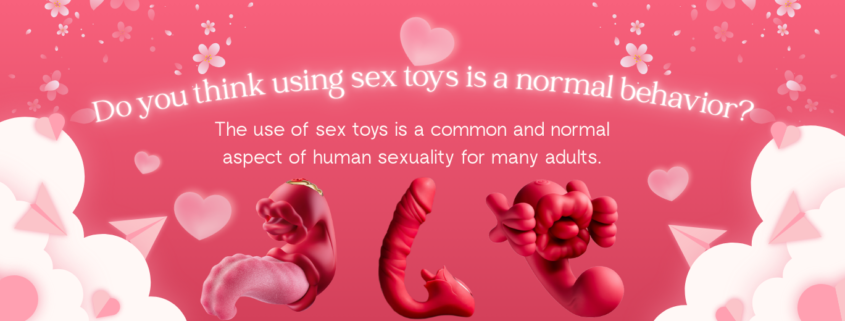
Absolutely! Sex toys can be a fantastic way to explore pleasure, enhance intimacy, and add excitement to your sex life. If you’re considering incorporating them, here are some respectful and helpful starting points:

1. Self-Reflection First

  • Goals: Are you looking for solo exploration, couple’s play, to address a specific concern (like difficulty reaching orgasm), or simply to try something new?

  • Curiosity: What kind of sensations interest you? Vibration, suction, internal pressure, texture, temperature?

  • Comfort Level: Start within your comfort zone. There’s no “right” place to begin.

2. Education is Key

  • Research: Reputable online retailers often have guides and blogs. Sites like Dame ProductsBabeland, or Good Vibrations are educational and sex-positive.
  • Types of Toys: A few broad categories:
  • Vibrators: (Bullets, wands, internal/G-spot). Great for clitoral and external stimulation.
  • Air Pressure/Suction Toys: (Like the Womanizer). Mimic oral sex sensations.
  • Couples’ Toys: Wearable vibrators for during intercourse, or rings for him.
  • Dildos: For internal penetration (non-vibrating).
  • Anal Toys: (Butt plugs, beads) – Always have a flared base for safety.
  • BDSM & Kink: Start with beginner-friendly items like blindfolds or soft restraints.

3. Shopping Tips

  • Material Safety: Prioritize body-safe, non-porous materials like silicone, glass, or stainless steel. Avoid cheap “jelly” plastics.
  • Lube is a Must! Use water-based or silicone-based lube (silicone lube can degrade silicone toys – use a barrier or hybrid). Never use oil-based with condoms.
  • Start Simple: A small bullet vibrator or a classic wand massager are often hailed as “gateway” toys.
  • Read Reviews: They can give you real insight into noise, power, and feel.

4. Communication is Crucial (For Partners)

  • Frame it as an adventure you’re taking together, not a critique of your current sex life.
  • “I read about this, and I’m curious to try it with you.”
  • Discuss boundaries and expectations beforehand. Check-in during and after.

5. Mindset & Safety

  • There’s No Normal: What feels good to you is what matters.
  • Cleanliness: Clean your toys before and after each use with toy cleaner or mild soap and water.
  • Listen to Your Body: Go slow, use plenty of lube, and stop if anything hurts.
  • Power Dynamics: If using toys with a partner, ensure mutual consent and the ability to pause or stop at any time (consider a safe word).

6. Destigmatize the Joy

Sex toys are tools for pleasure and exploration. They’re used by people of all genders, sexual orientations, and relationship statuses. They can help you learn about your own body’s responses, which can make you a more confident and communicative partner.

A gentle reminder: While sex toys can significantly enhance pleasure, a fulfilling sex life is also built on communication, trust, mutual respect, and emotional connection. Toys are wonderful additions to that foundation.

If you have a more specific question (about a type of toy, material, or how to bring it up with a partner), feel free to ask! Enjoy your exploration.

Merry Christmas and a joyful New Year!

Merry Christmas and Happy New Year

Christmas Introduction:

Christmas (December 25) is an annual Christian holiday celebrating the birth of Jesus Christ. Over time, it has evolved into a global cultural and festive season observed by billions worldwide. The word “Christmas” comes from the Old English Cristes maesse, meaning “Christ’s Mass.”

Key Traditions & Symbols:

  • Nativity: The story of Jesus’ birth in Bethlehem.

  • Christmas Tree: An evergreen tree (often pine or fir) decorated with lights and ornaments.

  • Santa Claus: A legendary figure based on Saint Nicholas, who brings gifts to children on Christmas Eve.

  • Gift-Giving: Symbolizing the gifts of the Magi to the infant Jesus.

  • Caroling: Singing traditional Christmas songs.

  • Christmas Eve: Many attend church services or gather for family meals.

  • Decorations: Mistletoe, holly, wreaths, and Christmas lights.

Modern Celebration:
While rooted in Christianity, Christmas is also celebrated secularly as a time of family reunions, generosity, and joy. It marks the beginning of the “Christmas season” (or “Yuletide”), which lasts until New Year’s Day.

Christmas Greetings:

Religious / Traditional:

  1. Wishing you a blessed Christmas filled with the joy and peace of Christ.

  2. May the miracle of Christmas bring you hope and happiness.

  3. Merry Christmas! May God’s love shine upon you and your family.

Warm & Heartfelt:

  1. Warmest thoughts and best wishes for a wonderful Christmas and a Happy New Year!

  2. May your home be filled with joy, your heart with love, and your holiday with laughter. Merry Christmas!

  3. Sending you cozy wishes for a magical Christmas season.

Short & Sweet:

  1. Merry Christmas and Happy Holidays!
  2. Wishing you joy, peace, and all the best this Christmas.
  3. Have a very merry Christmas!

Merry Christmas and a joyful New Year!

healthy and beneficial for many relationships

Is it healthy to have sex toys in your relationship?

That’s an excellent and very common question. The short answer is: Yes, it can be very healthy and beneficial for many relationships, but it depends on how they are introduced and used.

Here’s a more detailed breakdown of the health considerations, both positive and potential challenges:

Potential Health Benefits:

  1. Enhanced Intimacy & Communication: Introducing toys requires talking about desires, boundaries, and curiosity. This open dialogue can strengthen emotional connection and trust.

  2. Exploring Pleasure Together: Toys aren’t a replacement for a partner; they are tools for added sensation. They can help both partners discover new erogenous zones and types of pleasure, making shared sexual experiences more varied and satisfying.

  3. Addressing Mismatched Libidos or Responses: Toys can help bridge gaps if one partner takes longer to arousal or orgasm, reducing pressure and creating a more balanced experience.

  4. Spicing Things Up: They can break routines and add novelty, which can be especially helpful in long-term relationships.

  5. Focus on Female Pleasure: Many sex toys are designed for clitoral stimulation, which is a primary source of orgasm for most women. This can help make partnered sex more equitable and pleasurable.

  6. Medical & Practical Benefits: For some, toys can help with issues like erectile dysfunction, vaginal dryness, or anorgasmia, reducing anxiety and allowing for pleasurable connection.

Potential Challenges & How to Navigate Them:

1.Insecurity & Threat: A partner may feel replaced or inadequate (“Am I not enough?”). This is the most common issue.

  • Navigate with: Reassurance. Frame the toy as something you use together to enhance your connection, not replace them. Emphasize your attraction and satisfaction with them.

2.Poor Communication: Springing a new toy on a partner without discussion can cause shock or hurt.

  • Navigate with: A proactive, curious conversation. Use “I” statements: “I’ve been curious about exploring something new with you,” or “I read about this and thought it might be fun for us to try.”

3.Different Comfort Levels: Partners may have different beliefs or upbringings that make them hesitant.

  • Navigate with: Patience and no pressure. Start the conversation outside the bedroom, not in the heat of the moment. Ask about their feelings and listen without judgment.

4.Over-Reliance: In rare cases, a toy could become a substitute for intimate connection rather than an enhancement.

  • Navigate with: Keeping the focus on mutual pleasure and connection. Ensure sexual encounters aren’t always centered on toy use.

Healthy Guidelines for Introducing Sex Toys:

  • Discuss First, Buy Later: Have a conversation before surprising a partner with one.
  • Make it a “We” Project: Browse online shops together or visit a sex-positive store. Let your partner be part of the selection.
  • Start Simple: A small vibrator or a couple’s ring (vibrating cock ring) is often less intimidating than a large or elaborate toy.
  • Prioritize Safety: Use body-safe materials (silicone, glass, stainless steel) and water-based or silicone-based lubricants (never oil with latex condoms or toys).
  • Maintain Focus on Connection: Use the toy as an addition to foreplay or intercourse, not the main event. Maintain eye contact, kissing, and verbal connection.
  • Respect Boundaries: If a partner is firmly not interested, don’t pressure them. You can revisit the conversation later, but their “no” must be respected.

Conclusion

For couples with open communication, trust, and a spirit of adventure, sex toys can be a profoundly healthy addition. They are not a sign of a relationship’s deficiency but often a sign of its strength—indicating a willingness to explore and prioritize mutual pleasure.

If introducing the topic feels daunting, you could start by asking a broader question like, “Is there anything new you’d ever be curious to try in the bedroom?” This opens the door without focusing on a specific object.

Ultimately, the “health” of having sex toys in your relationship is determined not by the toys themselves, but by the quality of communication, respect, and mutual care with which you integrate them.

Vibrators

How Vibrators Can Improve Your Sex Life

Vibrators can be a positive addition to many people’s intimate lives, offering several potential benefits when used safely and consensually:

Potential Benefits:

  • Enhanced arousal and pleasure: Vibrators provide consistent stimulation that can increase blood flow and sensitivity

  • Help with orgasm: Many people find vibrators help them achieve orgasm more easily, especially those who experience difficulty through other stimulation

  • Variety and exploration: They can add novelty and help partners discover new erogenous zones together

  • Stress relief and relaxation: Sexual pleasure releases endorphins that reduce stress

  • Improved intimacy: When used together, vibrators can enhance partner connection and communication about desires

Considerations for Positive Use:

  • Communication is essential: Discuss with your partner(s) about introducing toys
  • Start slow: Begin with lower intensity settings and explore what feels good
  • Use appropriate lubricant: Especially important with silicone toys
  • Practice hygiene: Clean toys properly before and after use
  • Focus on pleasure, not performance: Vibrators are tools for enjoyment, not substitutes for emotional connection

Safety Notes:

  • Check materials (body-safe silicone, glass, or stainless steel are often recommended)
  • Use toys designed for their intended purpose
  • Pay attention to your body’s responses
  • Store properly and replace when needed

Many sexual health professionals view vibrators as healthy tools for sexual exploration when used with proper communication, consent, and safety practices. They can be enjoyed solo or with partners as part of a varied and satisfying intimate life.

Sex toys

Sex toys: essential tools for exploring the body and understanding sexual responses

Sex toys can indeed serve as tools for personal exploration and understanding of sexual responses when used thoughtfully. They offer individuals opportunities to learn about their bodies, preferences, and physical reactions in a safe, controlled environment.

From a physiological perspective, these devices can help people discover erogenous zones, understand arousal patterns, and explore different types of stimulation. For couples, they can sometimes facilitate communication about desires and boundaries.

It’s worth noting that responsible use involves:

  • Prioritizing body-safe materials

  • Maintaining proper hygiene

  • Respecting personal comfort levels

  • Understanding that these are supplementary tools rather than replacements for emotional intimacy or communication

Sexual wellness, including the use of such tools, is most beneficial when approached with self-awareness, consent, and accurate information about both the products and one’s own body.

Adult sex toys

The Importance of Proper Use of Adult Sex Toys

Using adult sex toys responsibly is essential for several key reasons:

Health and Safety

  • Hygiene: Proper cleaning before and after each use prevents bacterial, fungal, and viral infections. Different materials require specific cleaning methods.

  • Body Safety: Correct usage reduces the risk of physical injury, especially with insertable toys. Understanding anatomy and personal limits is crucial.

  • Material Awareness: Being informed about body-safe materials (like medical-grade silicone, glass, or stainless steel) helps avoid potentially harmful porous or toxic materials.

Enhanced Experience

  • Optimal Pleasure: Proper use maximizes the intended benefits and pleasure while minimizing discomfort.
  • Exploration: Understanding how to use different toys allows for more satisfying sexual exploration, either alone or with partners.

Relationship Considerations

  • Communication: When used with partners, proper use involves open discussion about boundaries, consent, and mutual interests.
  • Shared Experience: Learning together can enhance intimacy when approached respectfully.

Long-Term Benefits

  • Durability: Following manufacturer instructions extends the lifespan of toys.
  • Sexual Wellness: Thoughtful incorporation into sexual practices can contribute to overall sexual health and wellbeing.

Responsible Practices

  • Consent: Ensuring all participants consent to toy use in partnered scenarios.

  • Discretion and Storage: Proper storage maintains cleanliness and privacy.

Proper use transforms adult toys from mere objects into tools for positive sexual exploration, emphasizing that mindful engagement—prioritizing safety, communication, and self-awareness—is fundamental to a healthy sexual lifestyle.

Love and Happiness

Love Brings Deep and Complex Happiness

Love is a profound and transformative force that has the power to cultivate lasting happiness in human life. While the experience of love is deeply personal, its connection to happiness is well-documented across psychology, neuroscience, and philosophy. Here is a detailed exploration of how love contributes to happiness:

1. Biological and Neurochemical Foundations

Love activates the brain’s reward system, releasing a cascade of “feel-good” chemicals:

  • Dopamine: Creates feelings of pleasure, motivation, and euphoria, similar to the effect of natural rewards.

  • Oxytocin: Often called the “bonding hormone,” it promotes trust, intimacy, and emotional attachment, reducing stress and increasing feelings of security.

  • Serotonin: Stabilizes mood and contributes to a sense of well-being and contentment.

  • Endorphins: Act as natural painkillers and mood elevators, producing a sense of calm and joy.

These chemicals not only generate immediate positive feelings but also reinforce behaviors that strengthen relationships.

2. Psychological and Emotional Benefits

  • Sense of Belonging: Love fulfills the fundamental human need for connection, counteracting loneliness and providing a sense of purpose.

  • Enhanced Self-Worth: Being loved and valued by others boosts self-esteem and confidence, reinforcing one’s identity and worth.

  • Emotional Support: Loving relationships offer a safe space to share vulnerabilities, reducing anxiety and depression. Knowing someone cares unconditionally provides resilience during hardships.

  • Positive Reinforcement: Acts of love—such as kindness, appreciation, and affection—create positive feedback loops, encouraging more loving behaviors and deepening bonds.

3. Social and Relational Dimensions

  • Shared Joy: Love amplifies happiness through shared experiences, celebrations, and mutual achievements. Joy is often doubled when experienced with a loved one.
  • Security and Stability: Committed love provides a stable foundation, reducing uncertainty and fostering long-term planning and growth.
  • Empathy and Compassion: Loving relationships cultivate empathy, encouraging individuals to understand and support each other, which in turn enriches their own emotional lives.

4. Long-Term Well-Being and Health

Studies consistently show that loving relationships correlate with:

  • Longer Lifespan: Social connection is linked to reduced mortality rates.
  • Better Physical Health: Lower blood pressure, stronger immune systems, and faster recovery from illness.
  • Mental Resilience: Love acts as a buffer against stress, trauma, and mental health challenges.

5. Philosophical and Existential Perspectives

Love gives life meaning beyond the self. Whether romantic, familial, or platonic, it connects individuals to something greater—nurturing others, contributing to their happiness, and experiencing profound unity. This sense of purpose is a cornerstone of enduring happiness.

6. The Challenges and Growth

Importantly, love is not a constant euphoria; it involves vulnerability, compromise, and sometimes pain. Yet, navigating these challenges fosters personal growth, deepens emotional intelligence, and ultimately strengthens the capacity for joy. The happiness derived from love is often rooted in its authenticity and depth, not just in fleeting pleasure.

Conclusion

Love makes people happy because it addresses core human needs for connection, meaning, and security. It reshapes our biology, enriches our psychology, and weaves a supportive social fabric. While happiness from love can be dynamic and complex, its overall impact is transformative—offering a sustained, deeply rooted joy that enhances every dimension of life. In essence, love is both a journey and a destination where happiness is continually discovered, shared, and renewed.

G-spot clitoral vibrator

What Are G-Spot Clitoral Vibrators?

 The term “G-spot clitoral vibrator” typically refers to a specific category of sex toys designed for dual stimulation—targeting both the G-spot and the clitoris simultaneously. They are often shaped like a “G” or a “U” to reach both areas ergonomically.

Here’s a comprehensive guide covering types, benefits, how to choose, and top recommendations.

Common Types & Shapes

  1. Classic Rabbit-Style: The most well-known type. Features a shaft for internal (G-spot) stimulation and a smaller external “rabbit ear” attachment for the clitoris. The two motors often run synchronously.
  2. U-Shaped (or “Pebble” Style): A modern, ergonomic design that fits like a crook between the body’s contours. One arm stimulates the G-spot, the other the clitoris. Often more flexible and discreet.
  3. Dual-Arm (“Dual Stimulator”): Similar to the U-shape but sometimes with more pronounced, adjustable arms for customized fit and pressure.
  4. Wand Attachments: Some powerful wands (like the Magic Wand) have G-spot attachment heads that allow you to harness the wand’s strong vibrations for dual stimulation.

Key Benefits

  • Efficiency & Blended Orgasms: Can stimulate multiple erogenous zones at once, potentially leading to more intense or “blended” orgasms.
  • Hands-Free Option: Once positioned correctly, they can often be held in place with little hand pressure, freeing up your hands for other activities.
  • Variety of Sensations: Many offer independent control of each motor, allowing you to customize vibration patterns and intensities for each zone.

How to Choose the Right One

Consider these factors:

  • Anatomy & Fit: This is the most important factor. People have different distances between their vaginal opening and clitoris. Look for toys with flexible arms or adjustable necks to ensure both parts make contact.
  • Material: Opt for body-safe, non-porous materials like silicone (soft, easy to clean), ABS plastic, or metal. Avoid jelly or PVC.
  • Power & Controls: Do you want rumbly (deep, penetrating) or buzzy (surface-level) vibrations? Rumbly is generally preferred for internal stimulation. Check if motors are independently controlled.
  • Waterproofing: Essential for easy cleaning and bath/shower use.
  • Ease of Use: Intuitive buttons vs. complex patterns. Consider if you want app control for partner play (found in many We-Vibe products).

Tips for Use & Care

    1. Lube is Your Friend: Always use a generous amount of water-based or silicone-based lube (check toy compatibility). It enhances comfort and sensation dramatically.

    2. Start Solo: Experiment on your own first to figure out positioning and settings you enjoy without pressure.

    3. Don’t Rush: Focus on arousal before insertion. Use the clitoral arm alone first if desired.

    4. Clean Thoroughly: Clean with mild soap and water or a dedicated toy cleaner before and after each use. Ensure it’s completely dry before storing.

    5. Storage: Store in a cool, dry place, preferably in a pouch or box to protect the silicone and prevent dust collection.

Final Note: Anatomy varies greatly. What works perfectly for one person might not align for another. Reading detailed reviews and prioritizing adjustability is the best way to ensure a good fit.

If you have specific preferences regarding size, budget, or sensation type, feel free to ask for more tailored suggestions

Sex toys can enhance pleasure

How To Get More Pleasure With sex toys

Getting More Pleasure With Sex Toys: A Guide

Sex toys can enhance pleasure, intimacy, and sexual discovery when used thoughtfully. Here’s a balanced guide to getting more enjoyment from them:

Start With Education

  • Research options – Different toys serve different purposes (clitoral stimulation, G-spot/P-spot, internal/external use)

  • Understand anatomy – Knowing your body’s sensitive areas helps select appropriate toys

  • Read reviews – Learn from others’ experiences with specific products

Prioritize Safety and Comfort

  • Choose body-safe materials – Medical-grade silicone, glass, stainless steel
  • Use appropriate lubricants – Water-based for most silicone toys, silicone-based for glass/metal (check compatibility)
  • Clean properly – Follow manufacturer instructions to prevent infections
  • Check for allergies – To materials or lubricants

Communication and Mindset

  • Discuss with partner if applicable – Share interests, boundaries, and curiosity
  • Overcome stigma – Remember that sexual pleasure is healthy and normal
  • Start slow – There’s no rush; exploration should feel comfortable

Techniques for Enhanced Pleasure

  • Combine toys with other stimulation – Use during masturbation or partner sex
  • Experiment with different sensations – Vibration patterns, intensities, temperatures
  • Try indirect stimulation – Place vibrator near but not directly on sensitive areas
  • Explore erogenous zones – Nipples, inner thighs, perineum along with genital focus
  • Use with arousal – Incorporate toys when already turned on for better results

Specific Suggestions

  • For clitoral pleasure: Bullet vibrators, air-pressure toys, wand massagers
  • For internal pleasure: G-spot/P-spot vibrators, dildos, anal toys (with flared bases)
  • For couples: Wearable toys, vibrating rings, remote-controlled options

Building Pleasure Over Time

  • Vary your routine – Prevent habituation by changing patterns
  • Take breaks – Occasional pauses can heighten sensitivity
  • Combine fantasy – Mental arousal enhances physical sensation
  • Focus on the journey – Not just orgasm but the entire experience

Remember that sexual pleasure is personal and subjective. What brings intense pleasure to one person might not work for another. The most important factor is tuning into your own body’s responses and being open to exploration without pressure.

If you have specific health concerns or experience pain, consult a healthcare provider or sex therapist for personalized guidance.

Sexual health

How to Improve Sexual Health

Improving Sexual Health: A Holistic Approach

Sexual health is a vital part of overall well-being that encompasses physical, emotional, mental, and social aspects. Here are comprehensive ways to improve it:

Physical Health Foundations

  • Regular check-ups: Schedule annual visits with a healthcare provider for screenings and discussions about sexual health

  • Safe practices: Use protection (condoms) to prevent STIs and unintended pregnancies

  • Address medical issues: Treat conditions like diabetes, hypertension, or hormonal imbalances that affect sexual function

  • Medication review: Discuss side effects of medications (like antidepressants) that may impact sexual response

  • Pelvic floor exercises: Strengthen these muscles for better sexual function and pleasure

Communication & Relationships

  • Open dialogue: Communicate desires, boundaries, and concerns with partners
  • Active listening: Create a safe space for partners to express themselves without judgment
  • Consent culture: Practice and respect ongoing, enthusiastic consent in all sexual interactions
  • Relationship quality: Address conflicts, build intimacy, and consider couples counseling if needed

Mental & Emotional Well-being

  • Manage stress: Practice mindfulness, meditation, or yoga to reduce anxiety that can affect sexual response
  • Address mental health: Seek treatment for depression, anxiety, or past trauma with a mental health professional
  • Positive self-image: Work on body acceptance and self-esteem
  • Sexual education: Continuously learn about sexuality, pleasure, and diverse expressions of intimacy

Lifestyle Factors

  • Balanced nutrition: Eat a diet rich in fruits, vegetables, whole grains, and lean proteins
  • Regular exercise: Improves circulation, energy, and body confidence
  • Adequate sleep: Fatigue significantly impacts libido and sexual function
  • Limit substances: Reduce alcohol consumption and avoid recreational drugs that impair sexual function
  • Quit smoking: Smoking restricts blood flow, affecting arousal and performance

Pleasure & Exploration

  • Self-discovery: Explore your own body to understand what brings pleasure
  • Variety and creativity: Be open to trying new things with consenting partners
  • Realistic expectations: Understand that sexual satisfaction varies and media portrayals are often unrealistic
  • Focus on intimacy: Prioritize emotional connection alongside physical pleasure

When to Seek Professional Help

Consult healthcare providers if you experience:

  • Persistent pain during sex
  • Significant changes in libido
  • Difficulty with arousal or orgasm
  • Concerns about sexual orientation or identity
  • Recovery from sexual trauma

Remember that sexual health is personal and varies throughout life. What matters most is finding what contributes to your sense of well-being, safety, and fulfillment. Be patient with yourself and partners, as improvement often happens gradually through consistent attention to these different aspects of health.