Why Use Lubricants

Why Use Lubricants?

Using lubricants with sex toys is highly recommended for several important reasons:

1. Enhances Comfort
Sex toys (especially those made of silicone, glass, or hard plastic) can cause friction,which may lead to irritation or discomfort.
Lubricants reduce friction, making penetration smoother and more enjoyable.

2. Prevents Pain & Injury
Without enough lubrication, the delicate skin of the vagina or anus can tear, leading to micro-cuts, soreness, or even infections.
Anal play always requires lubrication because the anus doesn’t self-lubricate like the vagina.

3. Improves Sensation
A good lubricant can heighten pleasure by allowing toys to glide effortlessly, enhancing stimulation.
Some lubes have warming, cooling, or tingling effects for added sensation.

4. Extends Toy Lifespan
Less friction means less wear and tear on your toys, keeping them in good condition longer.

5. Prevents Condom Breakage (If Using Protection)
If you’re using condoms with toys (for hygiene or shared use), lube helps prevent breakage.

Choosing the Right Lube
Water-based – Safe for all toys (silicone, rubber, etc.), easy to clean, but may dry out faster.
Silicone-based – Long-lasting, but never use with silicone toys (can damage them).
Oil-based – Good for non-latex play but can degrade condoms and some toy materials.

Always reapply lube as needed during play, and avoid lubes with glycerin (if prone to yeast infections) or harsh chemicals.
Would you like recommendations based on toy material or type of play?
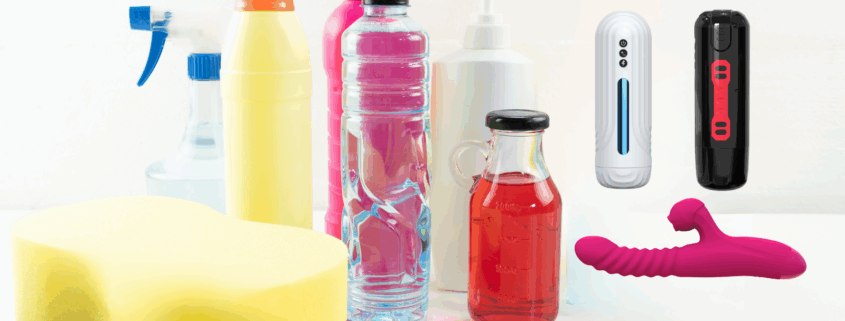

clean sex toys

How To Clean Sex Toys

Cleaning sex toys properly is essential for maintaining hygiene, preventing infections, and prolonging the lifespan of your toys. Here’s a step-by-step guide on how to clean them safely:

1. Check the Material
Different materials require different cleaning methods:

Silicone, Glass, Metal, or Hard Plastic (Non-Porous): Can be cleaned more thoroughly, even boiled or disinfected.

TPE/TPR, Rubber, or Jelly (Porous): Can’t be fully sterilized—clean well but replace more often.

Vibrating or Electric Toys: Avoid submerging unless waterproof—wipe down instead.

2. Basic Cleaning Steps
For Non-Porous Toys (Silicone, Glass, Stainless Steel, Hard Plastic):
Wash with Warm Water & Mild Soap: Use a gentle, fragrance-free soap or a dedicated toy cleaner.

Use a Soft Cloth or Sponge: Avoid abrasive materials that could damage the surface.

Rinse Thoroughly: Ensure no soap residue remains.

Disinfect (Optional):

Boiling: Submerge in boiling water for 3-5 mins (not for electric toys).

Bleach Solution (10%): Soak for 10 mins, then rinse well.

Rubbing Alcohol (70% Isopropyl): Wipe down, then rinse.

Dry Completely: Air-dry or pat with a clean towel before storing.


For Porous Toys (TPE, Rubber, Jelly):
Wash Immediately After Use: Use warm water and mild soap.

Avoid Harsh Chemicals: They can break down the material.

Dry Thoroughly: Moisture can harbor bacteria.

Consider a Toy Condom: Helps reduce direct exposure to bacteria.

For Vibrating/Electronic Toys:
Check if Waterproof: If not, wipe with a damp cloth and toy cleaner.

Avoid Submerging Non-Waterproof Motors: Clean only the external surfaces.

Remove Batteries Before Cleaning (if applicable).

3. Storage Tips
Store in a cool, dry place, away from direct sunlight.

Use a breathable pouch or original box to prevent dust buildup.

Keep toys separate to avoid material reactions (e.g., silicone can degrade if touching certain plastics).

4. When to Replace a Toy
If it has odor, discoloration, or cracks (even after cleaning).

If it’s porous and used frequently (replace every 6-12 months).

If the battery or motor stops working (for electric toys).

5. Extra Tips
Clean Before & After Each Use – Prevents bacterial transfer.

Use Toy Cleaners for Convenience – Many are pH-balanced for sensitive skin.

Avoid Sharing Toys – Or clean thoroughly between partners.


By following these steps, you’ll keep your toys safe, hygienic, and ready for use.
Let me know if you need recommendations for cleaners or storage solutions!


Love you

Love

Love is one of the most profound and beautiful human experiences—a deep connection that can bring joy, meaning, and warmth to life. It can take many forms: romantic love, the love between friends, the unconditional love of family, or even a compassionate love for humanity.

If you’re feeling love for someone, cherish it. If you’re seeking love, stay open—it often finds us when we least expect it. And if you’re giving love, know that it’s one of the greatest gifts you can offer.

Would you like to share what’s on your heart?

adult products

Can adult toys be used alone or with a partner?

Yes, adult toys can be used both alone and with a partner, depending on personal preferences and the type of toy. Here’s how they can be enjoyed in different contexts:

Using Adult Toys Alone
*Solo Exploration: Many people use adult toys to explore their own bodies, discover what feels pleasurable, and enhance self-pleasure.

*Stress Relief & Relaxation: Toys can help with stress relief, better sleep, or simply enjoying “me time.”

*Practice & Confidence: Some people use toys to practice or build confidence before engaging with a partner.

Using Adult Toys With a Partner
*Enhancing Couples’ Play: Toys can add variety, intensify pleasure, and help partners discover new sensations together.

*Overcoming Challenges: They can assist with differences in libido, stamina, or arousal levels.

*Long-Distance Relationships: Some toys can be controlled remotely, adding a fun element for couples apart.

Types of Toys for Different Uses
Solo-Friendly: Vibrators, dildos, masturbators, anal toys, and clitoral stimulators.

Couples-Friendly: Wearable vibes (like vibrating cock rings), remote-controlled toys,
bondage gear, or dual-stimulation toys.

Tips for Using Toys Together
Communicate Openly: Discuss desires, boundaries, and comfort levels.

Start Slow: Introduce toys gradually if it’s new for either partner.

Clean & Share Safely: Use proper hygiene (clean before/after, use condoms for shared toys).

Ultimately, whether used solo or with a partner,
adult toys are meant to enhance pleasure and intimacy in whatever way works best for you.
Would you like recommendations based on specific interests?

vibrators

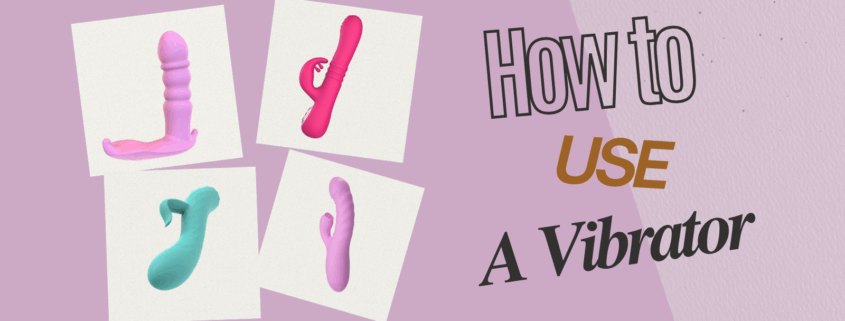
How to use a vibrator

Using a vibrator can be a fun and pleasurable experience, whether you’re exploring solo or with a partner. Here’s a step-by-step guide to help you get started:

1. Choose the Right Vibrator
.Type: There are many types (bullet, wand, rabbit, clitoral, G-spot, anal, etc.). Pick one that suits your preferences.
.Material: Body-safe materials like silicone are best.
.Intensity & Settings: Some vibrators have multiple speed and pattern options.

2. Prepare Yourself
.Clean the vibrator before and after use (check manufacturer instructions).

.Use lube (water-based for silicone toys) to enhance comfort and pleasure.

.Relax and set the mood with dim lighting, music, or whatever makes you comfortable.

3. Start Slowly
.External Use: Gently touch the vibrator to sensitive areas like the clitoris, labia,
or nipples. Start on a low setting and increase intensity as desired.

.Internal Use (if applicable): Insert slowly, using lube, and explore different angles
(like G-spot or prostate stimulation).

4. Experiment
.Try different speeds, patterns, and pressures.
.Combine vibration with manual stimulation or partner play.
.Explore erogenous zones (neck, thighs, perineum, etc.).

5. Aftercare
.Clean the vibrator thoroughly with toy cleaner or mild soap.
.Store it in a cool, dry place (some come with storage bags).
.Charge or replace batteries as needed.

Tips for Better Experience
Communication (if with a partner): Discuss preferences and boundaries.
Try different positions (lying down, sitting, etc.).
Take your time—there’s no rush!

Safety Notes
Avoid sharing vibrators without proper cleaning.
Don’t use silicone-based lube with silicone toys (it can degrade the material).
Stop if you feel discomfort or pain.

Would you like recommendations for specific types of vibrators or techniques?